EG Eatable Numbers
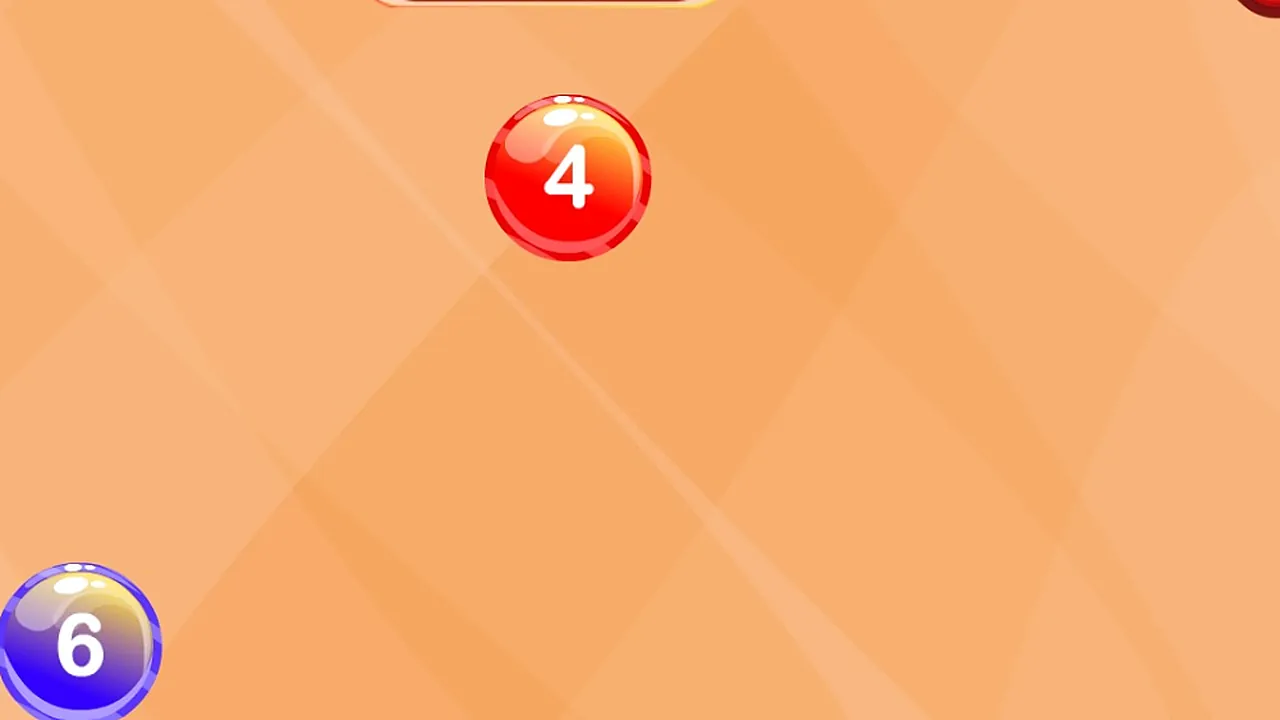
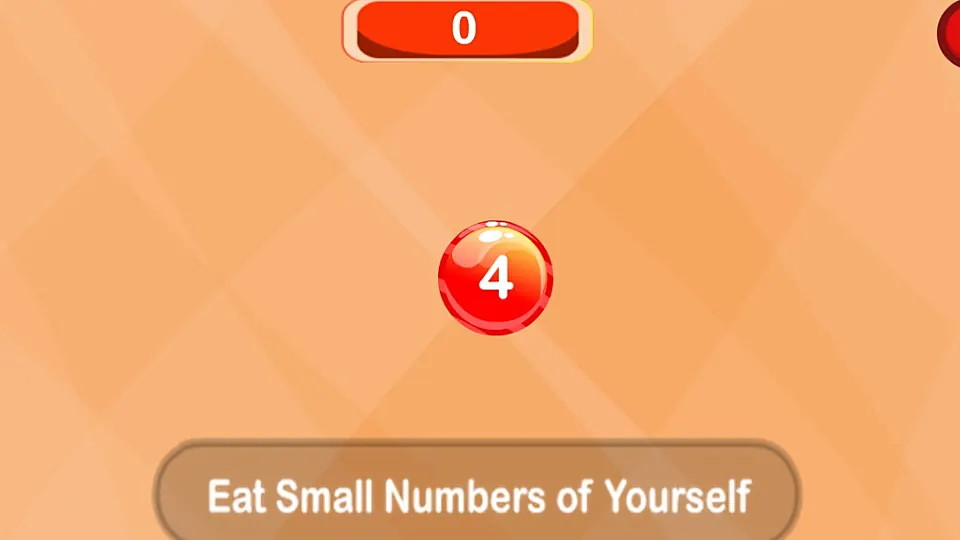
A red ball marked 4 sits alone in the middle of an orange screen. Below it is a short instruction line.
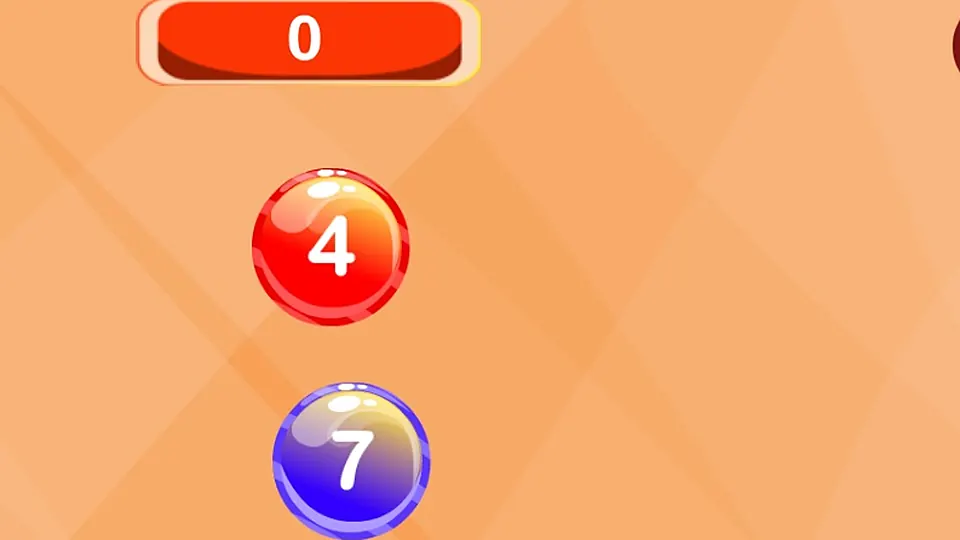
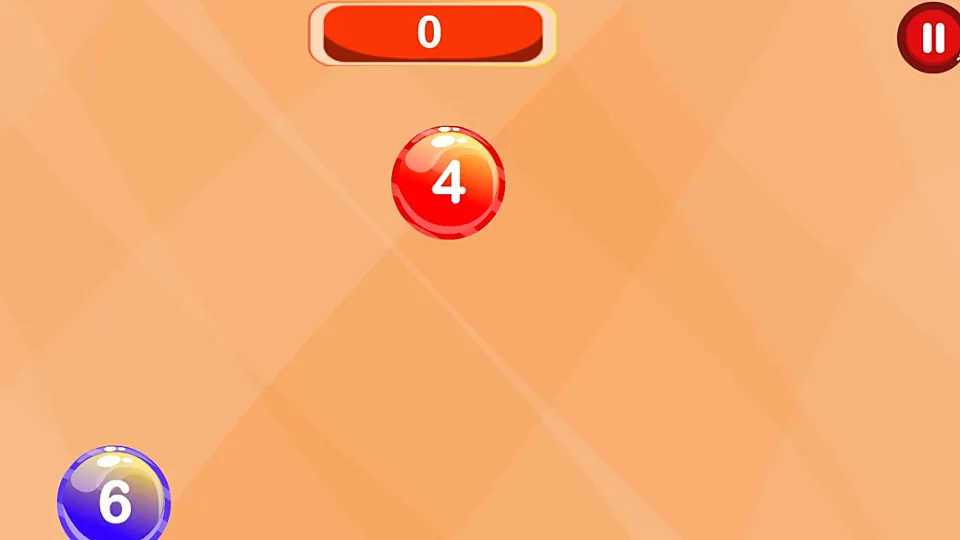
Blue balls then appear around it, marked 8, 6 and 7, and the red ball has moved away from the centre. Each blue ball carries a number of its own. The red number decides everything. Hit a blue ball with a smaller number than the red one and you earn points. Hit one with a bigger number and you have made the mistake the game warns about. The speed builds gradually as you play, so each choice has less time than the last.
How to play
At the start the screen is orange and the red ball with its number sits in the centre, with a short instruction line below it. The aim is to hit the red ball toward blue balls that carry a smaller number than the red one, which earns points. Blue balls with a bigger number are the ones to avoid.
Each round is a loop of reading and clicking. Compare the red number with the blue ones around it, pick one that is smaller, and click or touch to send the red ball at it. Then read the board again. As the game gradually speeds up, those comparisons have to come faster.
Controls
| Input | Action |
|---|---|
| Mouse click | Hit the red ball toward a blue ball with a smaller number |
| Touch | Same as a click: aim the red ball at a smaller blue number |
Tips
- Compare the red number with every blue ball before you click.
- Ignore blue balls with bigger numbers, even when they are the closest ones.
- Wait for a smaller number to come into view instead of forcing a bad hit.
- The speed climbs, so make your decisions earlier than feels comfortable.
- Tap only when you have picked a target, since a rushed click can land on a bigger number.
- Focus on the centre, where the red ball starts, and read the board outward from it.
Screenshots
Our take
A short break is the right fit. The idea fits on one screen: a red ball with a number, blue balls with other numbers, and one rule about which ones to hit. Its biggest strength is that clarity, since the rule is quick to grasp and the number comparison gives each click a clear reason. The trade-off is repetition. The same single action, picking a smaller number, runs through every round, with the rising speed as the only change, so a long sitting may feel samey.
Questions and answers
Does anything change as I keep playing?
The speed of the game gradually increases, so the comparisons come faster.
What should you avoid?
Hitting a blue ball with a bigger number than your red ball. Only hit balls with a smaller number.
Do I use a keyboard or a mouse?
A mouse click or a touch. You use it to hit the red ball toward the blue ball you choose.