Risk and reward when you collect items while dodging
Why pickups and hazards share the same space
Many browser games ask you to do two things at once. You stay clear of whatever can end the round, and you collect whatever raises your score. Designers know these two goals pull against each other, so they place the rewards close to the hazards on purpose. A star that floats in an empty corner is a gift. A star that floats next to a spinning obstacle is a question, and that question is the whole mechanic.
This guide looks at that question in three games on the site: EG Koala, EG Save Pilot and River Adventure. They look different, but each one asks you to weigh a pickup against the space you need to stay safe.
The same trade in three settings
EG Koala
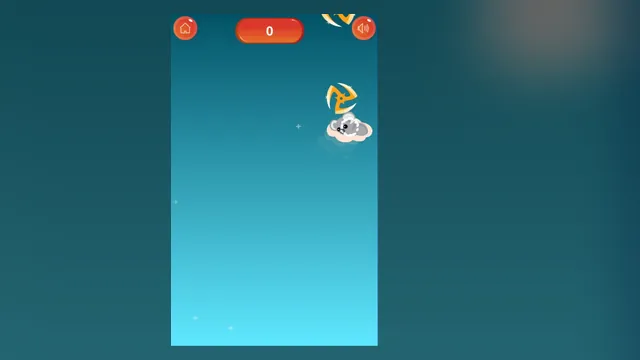
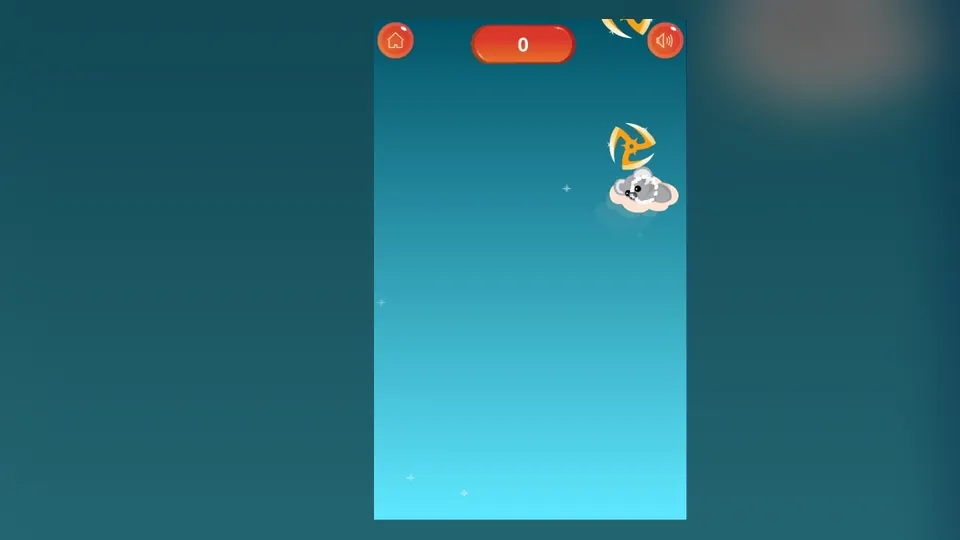
A koala sleeps on a cloud in a bright blue sky while spinning orange objects move around it. One click or tap changes the koala's path, and that is the only control. Stars are how you score, so staying safe is not enough on its own. If the koala touches a hazard, it wakes up and the round is over. The speed rises slowly, which means the gaps you read comfortably at the start get tighter as the round goes on.
Because every click changes the path, each star costs you a decision. You are not just steering toward the star, you are also committing to the line that follows it.
EG Save Pilot
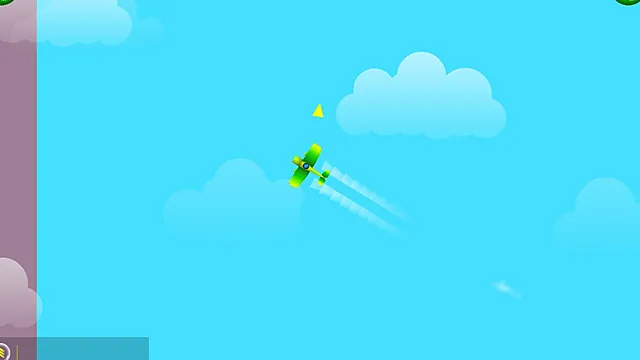
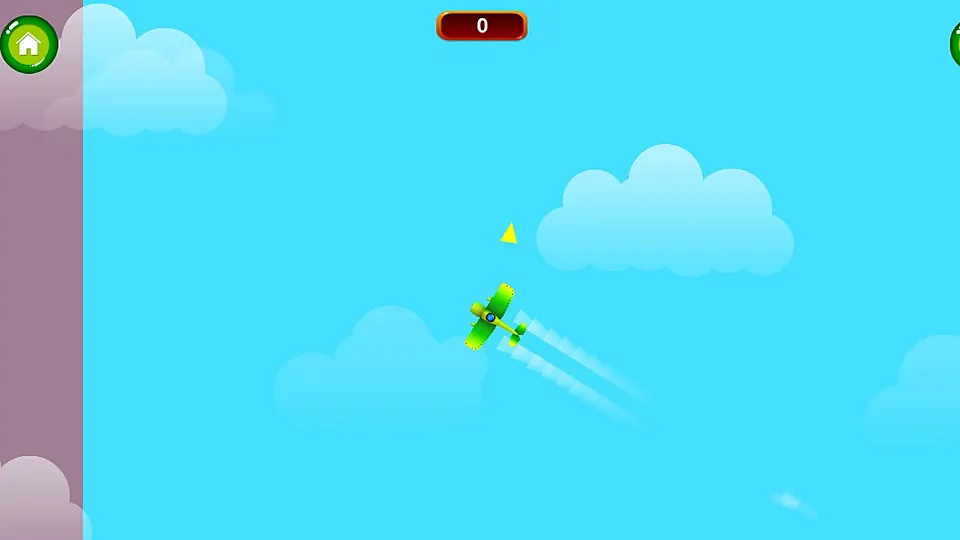
Here a mouse click or a touch moves a green airplane around a light blue sky. Rockets and enemy planes share the space with items that add to your score, and the speed rises gradually as you play. Running into a rocket means you lose, so the order of priorities is clear. Escaping comes first and collecting comes second. A route that grabs every item and ignores the rockets will not last long.
River Adventure
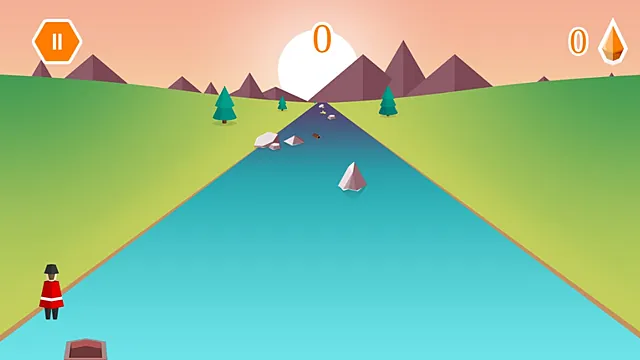
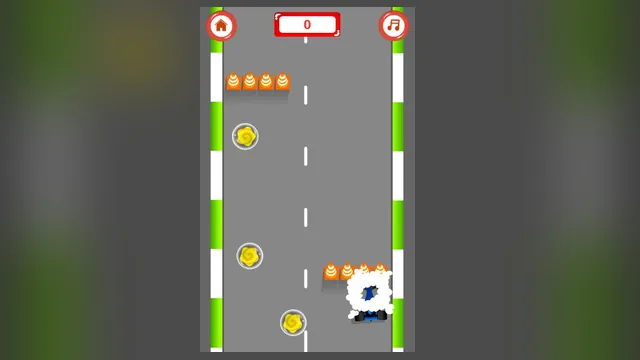
You steer a boat down a river at sunset, past rocks and logs, and collect diamonds to unlock different character models. Missions give you another way to earn more diamonds. A diamond counter sits at the right of the screen, which makes the reward easy to track. Bringing the boat safely down the stream is the point of each run, so staying clear of obstacles comes first and diamonds second.
A simple way to judge a pickup
You do not need a formula, but a few quick questions help you decide in the half second you have.
- What does the detour cost? Count the moves you need to reach the item and the moves you need to get back to open space. If the way back is blocked, skip it.
- What is close to the item? Hazards beside a pickup matter more than the pickup itself. An item with open space on one side is much safer than one surrounded.
- How fast is the screen moving right now? Early in a round a risky star may be fine. Later, with the speed higher, the same star leaves less room to react.
- What will you do next? A pickup that leads you into a good position for the following obstacle is worth more than an isolated one.
How the three games differ
| Game | What you collect | Safer habit |
|---|---|---|
| EG Koala | Stars | Pick stars away from hazards first |
| EG Save Pilot | Items for points | Collect only when rockets are clear |
| River Adventure | Diamonds | Take diamonds when the line is open |
Habits that make the choice easier
Read before you reach
Look at the hazards for a moment before you commit. In EG Koala the game's own advice is to read the hazards a moment ahead, then act, and the same idea works everywhere. A short look costs almost nothing, while a rushed move can end the round.
Take the easy rewards first
When the screen offers a choice, start with stars or items that sit away from danger. You still build your score, and you also learn how the game moves. Once the pattern feels familiar, the tighter pickups become less frightening.
Keep your movements small
In EG Save Pilot, short, early movements matter more than big late ones. A single click that moves the plane a long way can carry you into a rocket as easily as away from one. In River Adventure, time each direction change early instead of reacting at the last moment. The pattern holds across all three games: small and early beats large and late.
Stay near open space
When the screen gets crowded, drift toward the area with the most room. Open space is the safest place to be, and it gives you more time to choose your next pickup. Leaving yourself more room to turn is one of the simplest ways to stay in a round longer.
Let the counter guide you, not rule you
The score in EG Koala and EG Save Pilot, and the diamond counter in River Adventure, are useful feedback. They show whether your approach is working. They are not a reason to chase a single risky item. If a pickup puts the whole round at risk, the counter will not forgive you for it.
When the speed rises
All three games get faster as you play. That changes the value of a pickup without changing the pickup itself. A star that was easy to reach at the start may need a tighter line later. The sensible answer is not to stop collecting, but to be pickier. Take what is safe, let the rest pass, and keep your inputs calm. A steady run with a modest score is usually better than a brave run that ends in seconds.
FAQ
Should I ignore items completely and just survive?
Not usually. Items and stars are how the games reward you, and River Adventure uses diamonds to unlock new character models. A better approach is to collect the safe ones and let the risky ones go.
Why do the rewards sit so close to the hazards?
It creates the decision that makes these games interesting. If every reward were in open space, there would be no choice to make. Placing them near danger asks you to judge the risk each time.
How do I get better at judging a pickup?
Practice in the slow early seconds of each round. Watch how far one click moves the koala or the airplane, and how quickly the river fills with obstacles. Once you know how far you travel with each input, the judgement becomes much quicker.