How to stay calm when the pace keeps rising
Most of these games get harder as the speed rises. The skill you need is a steadier routine more than faster hands. Here is how to build one, game by game.
Why does speed alone make a game feel harder?
When the pace rises, the time between seeing something and acting on it shrinks. Pressing more often is an easy reaction, and it is usually the wrong one. Each of the games below uses a click or a tap as its main input, so extra presses are easy to make and just as easy to regret.
The shared fix is to decide earlier, not move faster. Pick what you will do next while the current thing is still passing, then make one small, deliberate input.
Where should your eyes be?
On the road, two rows ahead
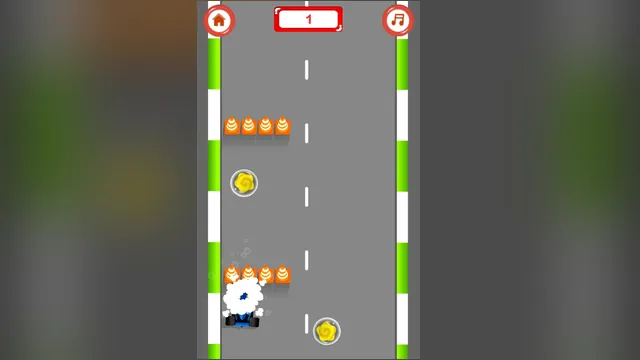
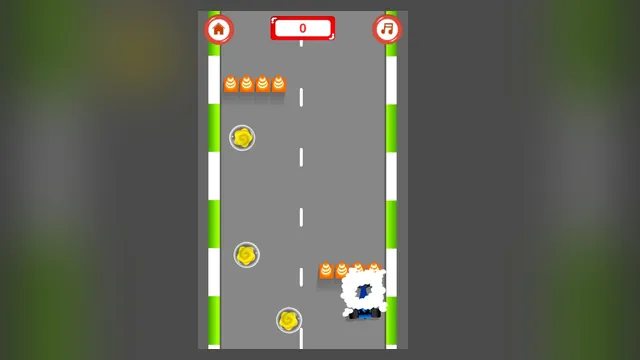
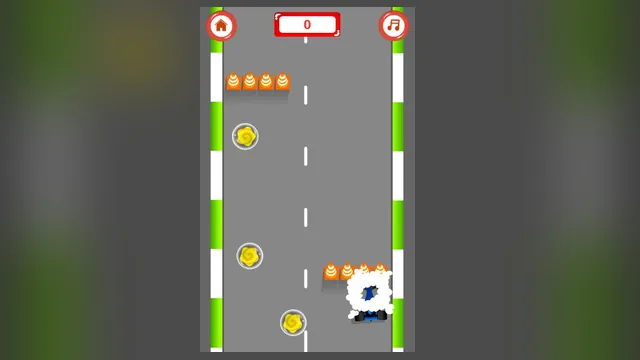
In EG Barrier, obstacles scroll toward the car from the top of the screen, and a click or touch moves it to the left or right. Look two rows ahead instead of at the car, so the next gap is already chosen when the current row passes. Take a star only when the lane beside it is open.
On the hazards, a moment before you act
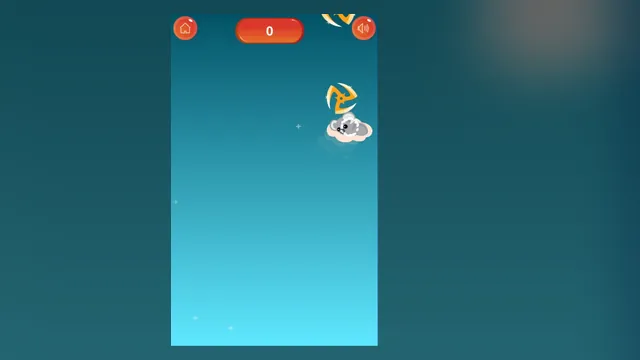
EG Koala works differently: the koala drifts along a path, and each click or touch changes that path. A hazard that touches it ends the round. Read the hazards a moment ahead, then act, and use the first slow seconds to learn how far one click turns the koala.
On two things at once
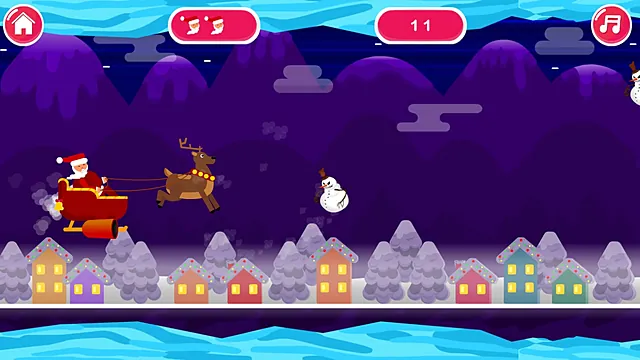
Save Santa Claus asks you to watch the snowman and the icicles together. Scan for icicles before you line up a throw, not after. If you drift into an icicle's path while aiming, move out first and throw afterwards.
When should you stop reacting?
Some moments call for no input at all. In EG Koala, click only when you have a clear reason, since each click changes the path. In Save Santa Claus, frantic tapping sends Santa past the lane you wanted. Keeping Santa near the middle of the screen makes either direction a short move.
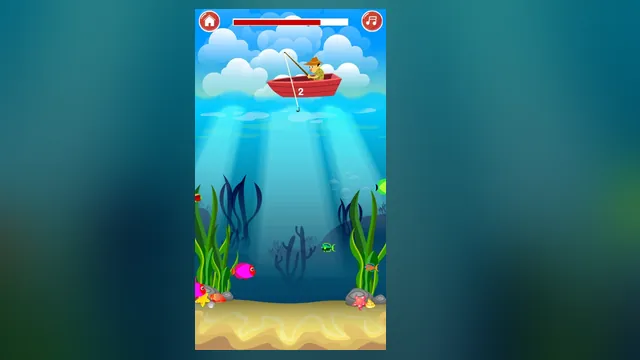
EG Fishing Rush adds a different kind of restraint. You bring a hook down from a boat to catch fish, and sharks swim among them. Look at what is near the hook before you commit, and check that a fish is a fish and not a shark. Prefer the fish that sit close to the line over ones that need a long reach.
How do you keep one rhythm?
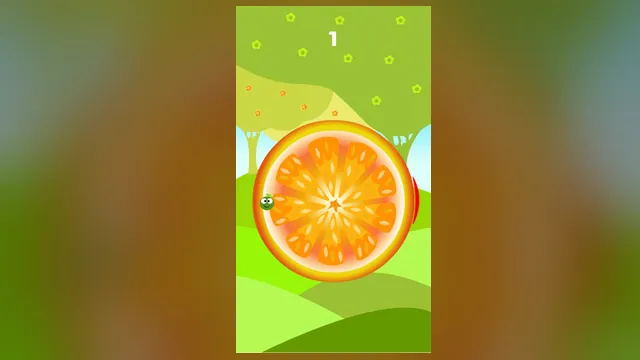
EG Rico Orange is the cleanest test of rhythm. The small green orange moves around the big one, and you click, tap or press an arrow key to put the pong behind it. Stay with a single input, click or arrow key, so your timing becomes steady. Place the pong a little early, and keep your hand relaxed between presses, because tense, rapid tapping gets sloppy.
The same idea carries across the group: the first seconds are often the slowest, and they are the best time to find your beat. Count it, tap it, and keep it even as the speed climbs.
What should you do right after a miss?
Reset your focus instead of rushing the next press. Keep your hand relaxed between presses, as EG Rico Orange asks, and apply the same pause to the other games. In EG Barrier, check whether a late move caused the miss. In EG Koala, check whether a click had a clear reason. In EG Fishing Rush, check whether you spotted the shark in time. Name the cause in one phrase, then start the next run with that single correction.
A short checklist
- Use the slow opening seconds to learn how your input behaves.
- Choose your next move while the current one is still happening.
- Make one small input instead of several quick ones.
- After a miss, fix one thing, not three.
What do the first seconds teach you?
Several of these games open at a gentler pace. EG Barrier starts with the car in the middle of the road. EG Koala starts with the koala asleep on a cloud while spinning orange objects drift across the screen. EG Fishing Rush begins with fish drifting past in the water below the boat. EG Rico Orange gives you time to read the path of the small green orange.
Treat that slow opening as a free lesson. Spend it learning how one input behaves, how far a click moves the koala, how quickly the pong needs to be placed, or how close the hook can safely get. By the time the speed climbs, those answers should already be habit.
What not to do
Do not use the slow seconds to relax completely. The speed rises gradually, and a player who is half asleep at the start may be a step behind when it matters. Stay lightly attentive, and let the rhythm build.
Which game should you practise on?
EG Barrier is the clearest teacher: one input, one road, and few things to track. Start there to learn looking ahead. Move to EG Koala when you want to practise holding back, and to EG Rico Orange when you want to train an even beat. Save Santa Claus and EG Fishing Rush suit you best once you can manage two things at a time, a target and a danger.
A sensible plan for one sitting is three short rounds of EG Barrier, then one round of whichever game you found hardest. Keep each round short, and stop when your presses start to get frantic.