What an idle game is and how to read one
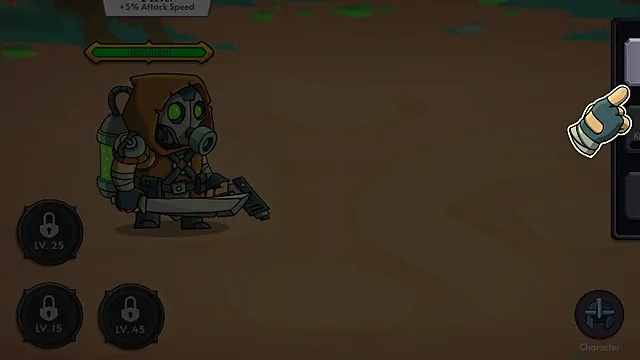
You open an idle game, see a hero, a coin counter and a side panel, and nothing seems to be asking for quick reactions. That is normal for the genre. The work is in reading the screen and choosing what to improve, and this walk-through uses Feed me Monsters! Idle Battle as the example.
What is an idle game?
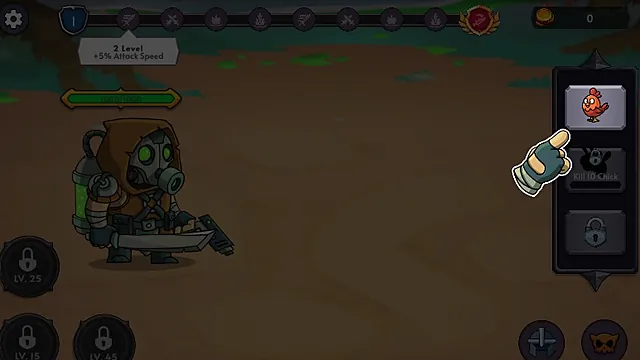
In an idle game, progress builds up while you make only a few choices. You earn coins and XP as you go, and those unlock new abilities. The skill involved is mostly about deciding what to open next, not about fast hands. The battle screen, a side panel and a coin counter are all in view at once.
How do you read it, step by step?
- Follow the pointing hand. A pointing hand in the side panel marks an item, which is a clear place to start. Treat it as the game's own first instruction and do that before anything else.
- Check the coin counter. It sits in the top corner and shows your coins, which unlock new abilities. Look at it before every choice, not after.
- Read the ability details. Read the details of each ability as it unlocks, since each one is meant to enhance your combat prowess. A short read saves you from opening something that does not fit your plan.
- Look at the locked slots. They are locked level slots, so you can see right away that more is waiting. They answer the question of what comes next.
- Watch the hero. It stands on the battle screen, and you can see how it changes as new abilities open.
- Try again with what you unlocked. Return after each attempt with the new abilities and see how your hero changes.
Why the order matters
Each step answers one question. The hand says where to start, the counter says what is possible, the ability details say what it does, and the locked slots say where this leads. Skipping the counter is the easiest way to waste a round, since you may open something you cannot yet use well.
What should you do when a battle gets hard?
A hard battle is a signal to go back and improve the setup. Each monster poses a unique challenge, so earn more coins and XP, open another ability, and then try again with a stronger build.
Adapting matters here. As new abilities open up, change your choices instead of repeating the same ones. Trying different abilities is a practical way to see what each one adds.
What is an idle game good for, and what is it not?
Its strongest point is the steady stream of unlocks. Coins and XP arrive, abilities open, and locked slots promise more. That structure suits a short break, when you want to collect a bit of progress and leave. It also works for a long sitting if you enjoy watching a character grow stronger.
The limit is that an idle game asks for little direct skill. Players who want constant hands-on action may find it slow. The screen is fairly uncluttered, with a battle view, a side panel and a coin counter.
A small habit worth keeping
Before you close the game, note one thing: which slot you were working toward. When you come back, that locked slot is your goal, and the coin counter shows what you have to spend on it.
What do the numbers on screen really tell you?
Every number in an idle game is a message. The coin counter says what you have. The locked slots show what is still ahead. The ability details say what a single unlock changes.
Read them in that order, and the screen stops looking busy. You will see a small number of questions repeated: what can I open now, what does it do, and what comes next. Answering them is the real activity of the genre.
Pacing your sitting
Because progress arrives steadily, a session can be as short or as long as you like. A short session is enough to open one ability and see the result. A longer sitting suits you if you enjoy watching a character grow stronger. Either way, nothing here asks for fast hands.
How should you start your first session?
Begin with the pointing hand, then check the coin counter and read the details of one ability before you open anything else. Run a short battle, see where the foes get hard, and spend what you earned on a new ability. After a few of these loops, the screen will make sense without the steps.
If you like what you see, keep playing in short bursts and watch the locked slots shrink. If you find yourself wanting something to react to, a timing game will suit you better than another idle one.