Where to start when a puzzle room gives no instructions
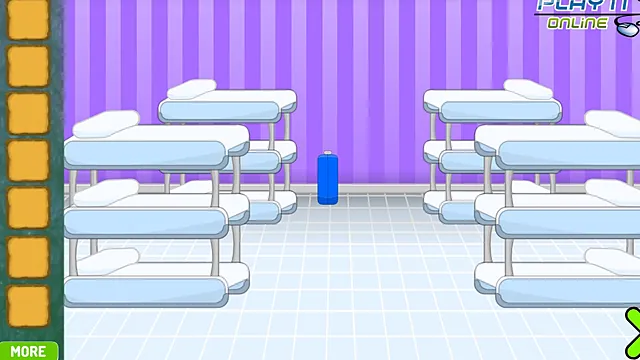
One of these games asks mostly for careful looking. Break Free Space Station uses only the mouse to take items. The other, Alien Intelligence Test, is just as quiet. Both drop you into a room full of things to press, with the rule left for you to find.
What goes wrong in the first minute?
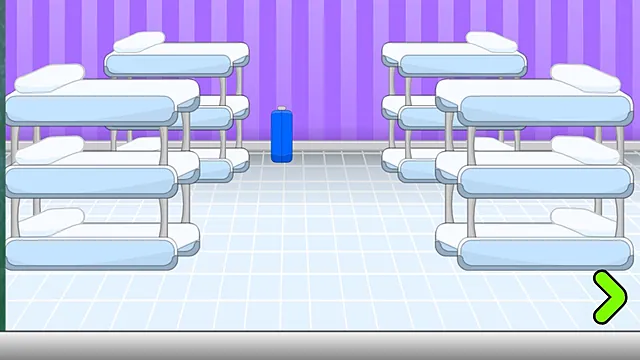
A common trouble is clicking everything in sight and learning nothing. In Alien Intelligence Test, each level hides a logic pattern, and mashing the controls tells you very little about it. In Break Free Space Station, the room is a single view with bunk beds, a blue cylinder on the floor and empty slots down the left side. There is a lot to look at, so a plan helps.
Both games use the mouse as the only way to act, so everything depends on noticing the right thing to click. That makes patience your main tool.
What are your options for the first move?
Option one, scan the whole screen first
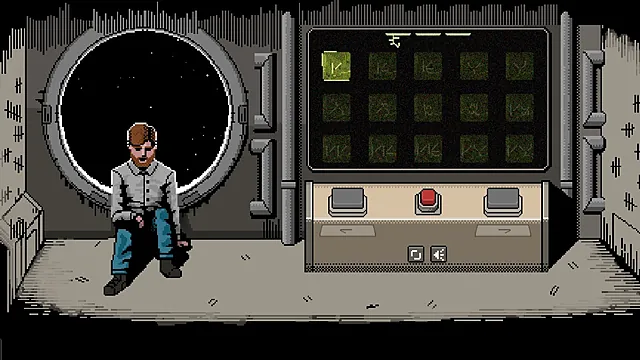
Before the first click, look over everything. In the alien machine game, the panel, buttons and levers are all there to be used. In the station room, the blue cylinder on the floor is one of the first things to check. A slow look costs nothing and gives you a map of what could matter.
Option two, test one control at a time
In Alien Intelligence Test, click a single button, lever or switch and watch what changes, such as the small screens on the wall panel. When only one thing moved, you know what caused it. Press three things at once and you cannot tell which one did the work.
Option three, follow the objects
In Break Free Space Station, you take items with the mouse and fill the empty slots on the left. Each item you collect may fit somewhere, so keep track of what you have and think about where it could be used. Check each corner of the room, since the next step may be somewhere you have already looked past.
How do you track what changed?
Keep a short mental log, or a note beside the screen. For the machine puzzle, write down which switch changed which part of the machine. The same pattern is the way through a level, so a clear record turns guessing into reading.
- Pick one control or object.
- Use it once.
- Look for any change, however small.
- Note the link between cause and change.
- Move to the next control.
If a control does nothing useful, try a different one instead of repeating the same click. Come back to controls you tried early, too. A pattern can make sense only after you have seen more of the machine.
Precision matters
Clicks need aim. Aim before you click, since a slightly off click can miss the control you meant to test.
What if you are completely stuck?
Slow down when a puzzle looks like noise. Repeated random clicking rarely reveals a pattern. In the station, return to earlier parts of the room after finding something new, because it may fit a spot you passed. Click anything that looks different from the objects around it, and read each scene one object at a time instead of scanning the whole picture at once.
Stepping away from the screen for a moment can help. Coming back with fresh eyes may show the thing you looked straight through before.
Which game suits which mood?
Treat Break Free Space Station as a sitting of its own rather than a quick break. Escape rooms reward steady looking, and stopping halfway can break the thread. It gives beginners a gentle entry: one input, a clear aim and no reflexes to train. Most of the effort goes into linking items to the spots they fit.
Alien Intelligence Test is a better match when you like puzzles solved by observation. Its pixel-art room has a round porthole, a wall panel of small screens and three buttons below them. The pace is set by how quickly you spot each pattern. If you want fast action or keyboard controls, skip it.
What does a good note look like?
Short and specific is best. For the machine game, a note such as "this switch changed the small screens" is more useful than "switch does something". For the station, a list of items you hold, and the spot you think each belongs to, keeps you from collecting the same idea twice.
Write down failures too. A control that did nothing is information, because it narrows the field. Crossing it off saves you from trying it again later.
Why one change at a time
Puzzles that hide a pattern rely on cause and effect. If you change two things at once, the result belongs to neither. Doing one thing and waiting for the screen to respond is slower per click, but it gives a clearer result.
Which should you open first?
Open Alien Intelligence Test first if you want to practise the habit of one change, one cause. It is the better training ground for testing controls individually. Move on to Break Free Space Station when you have an unhurried stretch of time and want to hunt for objects and work out what each one is for. Carry the same routine into both: look first, click once, note the change, and only then click again.