BU, EG Ball Target and Arrow Challenge, which aiming game fits you
A common mistake with aiming games is treating every one of them as a speed test. These games reward different habits: waiting, deciding once, or doing a little arithmetic on the move. Knowing which habit each one wants saves you a few frustrating rounds.
What do you actually aim in each game?
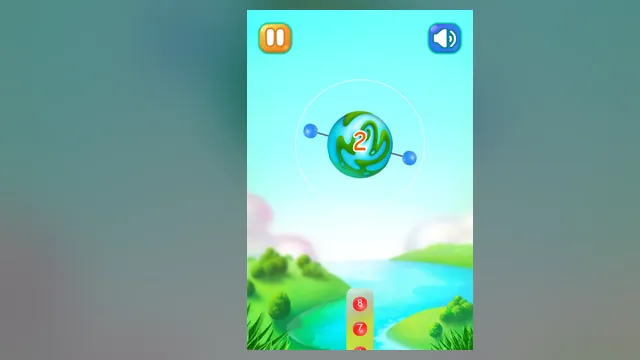
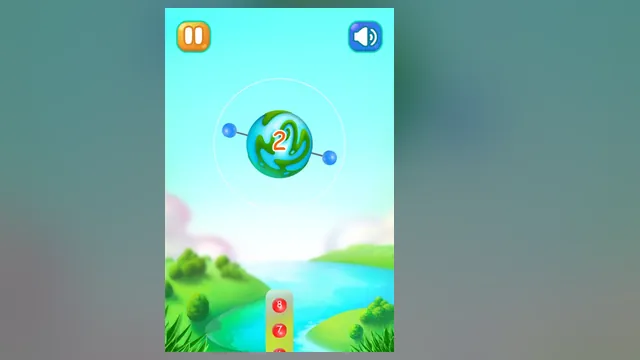
In BU, you aim a pin. You move the cursor or your finger to set the direction, then click or tap to release it. The pin travels in a straight line and does not curve after release, so the aim you set is the path it takes. Its target is a gap on a turning planet that already carries pins.
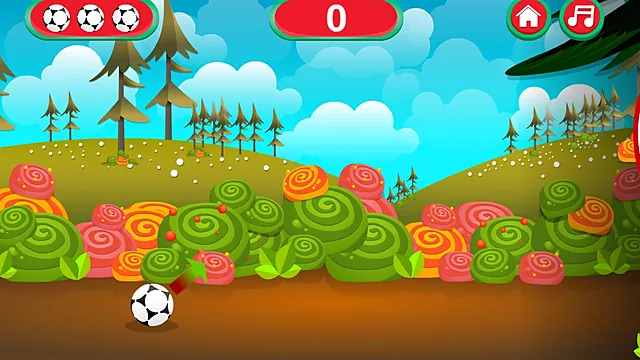
EG Ball Target has you point a ball at a target. A click or a tap sets the direction, and then you watch the ball travel and see whether it lands. Each landing scores points.
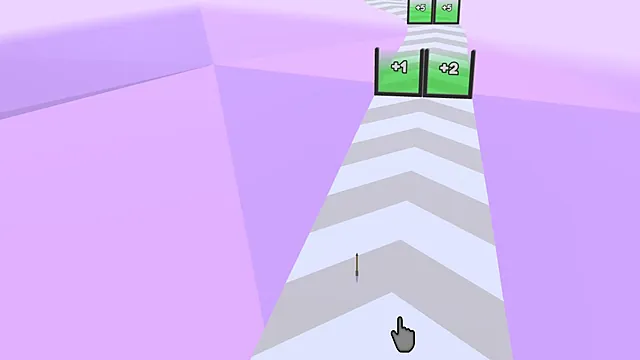
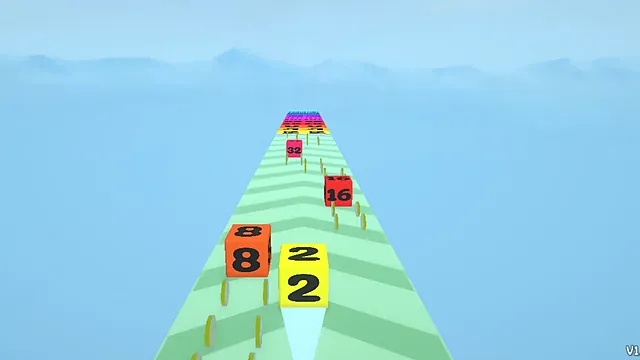
Arrow Challenge is the odd one out. You guide a stack of arrows with the mouse or a finger and steer them into numbered gates, such as +5 or x2, to grow the stack. At the end of the path, guards wait, and you need enough arrows to clear them.
So which is really about aim?
BU and EG Ball Target are about a single shot. Arrow Challenge is about a route. If a clean, one-shot decision is what you enjoy, BU and EG Ball Target fit. If you prefer steering and choosing, Arrow Challenge does.
What ends a run?
This is where the games split most sharply.
- BU ends a level as soon as a pin collides with one already on the screen. One careless throw is enough.
- EG Ball Target ends a round when you miss three balls. A row of icons at the top shows how many you have left.
- Arrow Challenge ends well or badly at the finish: you win by clearing all the guards, which depends on the size of the stack you built along the way.
That gives each game a different sort of forgiveness. EG Ball Target lets you absorb two misses. BU lets you absorb none. Arrow Challenge gives you more room to change course, since the gates keep coming and each one changes the stack you carry.
How failure reads
In BU the cause of a miss is easy to see: the pin went straight, and the gap was not there. In EG Ball Target, a lost ball tells you your line or your timing was off. In Arrow Challenge, a weak stack at the end tells you to look back at the gates you picked.
How do they compare side by side?
| Aspect | BU | EG Ball Target | Arrow Challenge |
|---|---|---|---|
| Input | Aim, then click or tap | Click or tap | Mouse or finger |
| Run ends | Pin touches a pin | Three missed balls | Guards not cleared |
| Pace | Set by you | Speeds up | Along a path |
| Best skill | Patience | Quick decisions | Choosing gates |
Which habits help in each one?
BU
Judge the gap before you click, because the pin cannot be corrected. If you are unsure, watch the planet for a full turn, since open spaces come around again. Aim a little ahead of where a gap is now, because the planet keeps turning while the pin travels. Leave room between your own pins so later throws have safe gaps.
EG Ball Target
Pick your line before you click, not while the ball is already moving. Look at the target rather than the ball when you decide. The game speeds up gradually, so later shots leave less time, and calm clicks hold up better than hurried ones.
Arrow Challenge
Read both gates ahead before you move, since they sit side by side. Prefer x2 when you already hold a decent stack, because a multiplier gains more as the stack grows, and pass on small numbers like +1 when a +5 is within reach. Steer early, as the path curves and late corrections can cost you the gate you wanted.
How long does a session last in each?
EG Ball Target fits a short pause better than a long sitting, since a round ends after three missed balls and the pace keeps rising. The bright hills and the clear target on the right keep the screen easy to read.
BU gives short attempts their tension, because a touching pin ends the level and there is little room to be careless. Each level is its own layout, so a plan that needed patience once may call for different timing next.
Arrow Challenge sits somewhere in between. A run follows a path from the single arrow at the bottom of the screen to the guards at the end. If you want a lot of variety within a round, this will not give it, since the action is guiding along a path and picking gates.
Which one should you start with?
Start with EG Ball Target if you want the lowest barrier: one click or tap, a bright field, and a rising pace that suits a short pause. Pick BU if you enjoy patience and clean cause and effect, and do not mind losing a level to one wrong throw. Choose Arrow Challenge if you like small number decisions and want a game where a good route matters more than a fast hand.
On a phone, all of them work with a finger. For a first try this afternoon, open EG Ball Target, then move to BU once you want a stricter test.